The WI Book Club, now known as ‘Book Angels’, has been busy over the summer enjoying a wide variety of different books. Here are our thoughts on the latest two books reviewed in July and August:
‘Commonwealth’ by Ann Patchett Rating: ******* (7/10)
A Christening, a bottle of gin, a stolen kiss, and an affair begins. When Bert Cousins, deputy district attorney, gate crashes a Christening party for Franny Keating to grab a few moments away from his four kids and weary wife, he finds himself immediately drawn to Beverly, the beautiful wife of Fix Keating, a cop. The novel explores the subsequent breakdown of two marriages and the consequences on their six shared children. Here the ‘Commonwealth’ could be thought of as the joint offspring of the two families.
While their parents sort out their own relationships, the children often escape close supervision. One ill-fated Summer’s day, Cal, Bert’s eldest son, mysteriously dies while the children are all out together. Tantalisingly, the reasons for his death are not revealed until later in the novel. By then, Franny has grown up and her partner, Leon Posen, is a writer. She reveals the circumstances of Cal’s death to him and he then incorporates this into his latest successful novel, which other family members then see. The novel explores the effects on each family member through a series of non-sequential recollections.
‘Not in Your Genes’ by Oliver James Rating: ****** (6/10)
This month we explored a non-fiction choice which led to some very lively discussions. Oliver James throws a whole new light on the ‘nature versus nurture’ debate about how our personality and behaviour is determined. He has researched the possibility that our genes might play very little part in defining who we are and puts forward the theory that our individualism is almost entirely due to our upbringing and environment. More pressure on mums, we hear you say!
He gives lots of interesting examples, often using famous people’s case histories to illustrate his points, such as Paula Geldof and Peaches Geldof. He also disputes previous work that has been done using twins.
We found the book a very thought-provoking read, but most of our members were not entirely convinced about his arguments. Have you considered whether you might be passing down behavioural ‘traits’ to your children rather than genes? Give these books a read and let us know what you think, even if you unable to attend ‘Book Angels’:
Send your comments and ratings to: marketharboroughwi@gmail.com
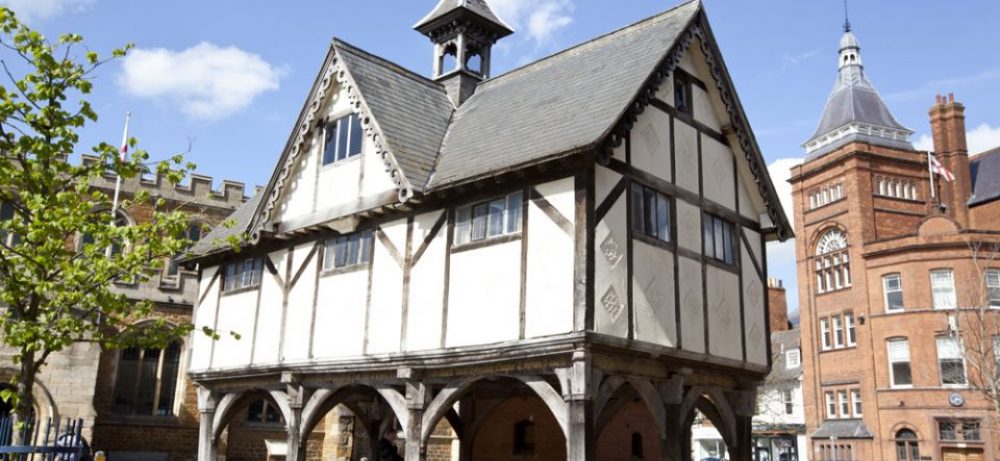
 MHWI is completing its sixth, successful year. For this to continue, we urgently need more people to step up to the committee. Several key posts will become vacant at this month’s AGM. Want to find out more about what’s involved? If so, do come along to our Committee meeting this evening at 7.30 pm at The Roebuck on Rockingham Road, Market Harborough (behind the Tesco garage). A relaxed evenings with fellow MHWI members guaranteed.




 Market Harborough WI
